Immune Dysregulation
Research into immune-cell activity and inflammatory signaling informs our therapeutic hypothesis in ALS.
Research into the interplay among immune-cell activity, inflammatory signaling, and genomic findings informs a testable hypothesis for ALS.
We are investigating how differences in immune function may inform patient selection and therapeutic development.
Research into immune-cell activity and inflammatory signaling informs our therapeutic hypothesis in ALS.
Exploratory immune and genomic findings may help identify a biologically defined patient subgroup. This strategy requires validation.
Our investigational combination aims to address complementary inflammatory pathways while supporting cellular redox balance.
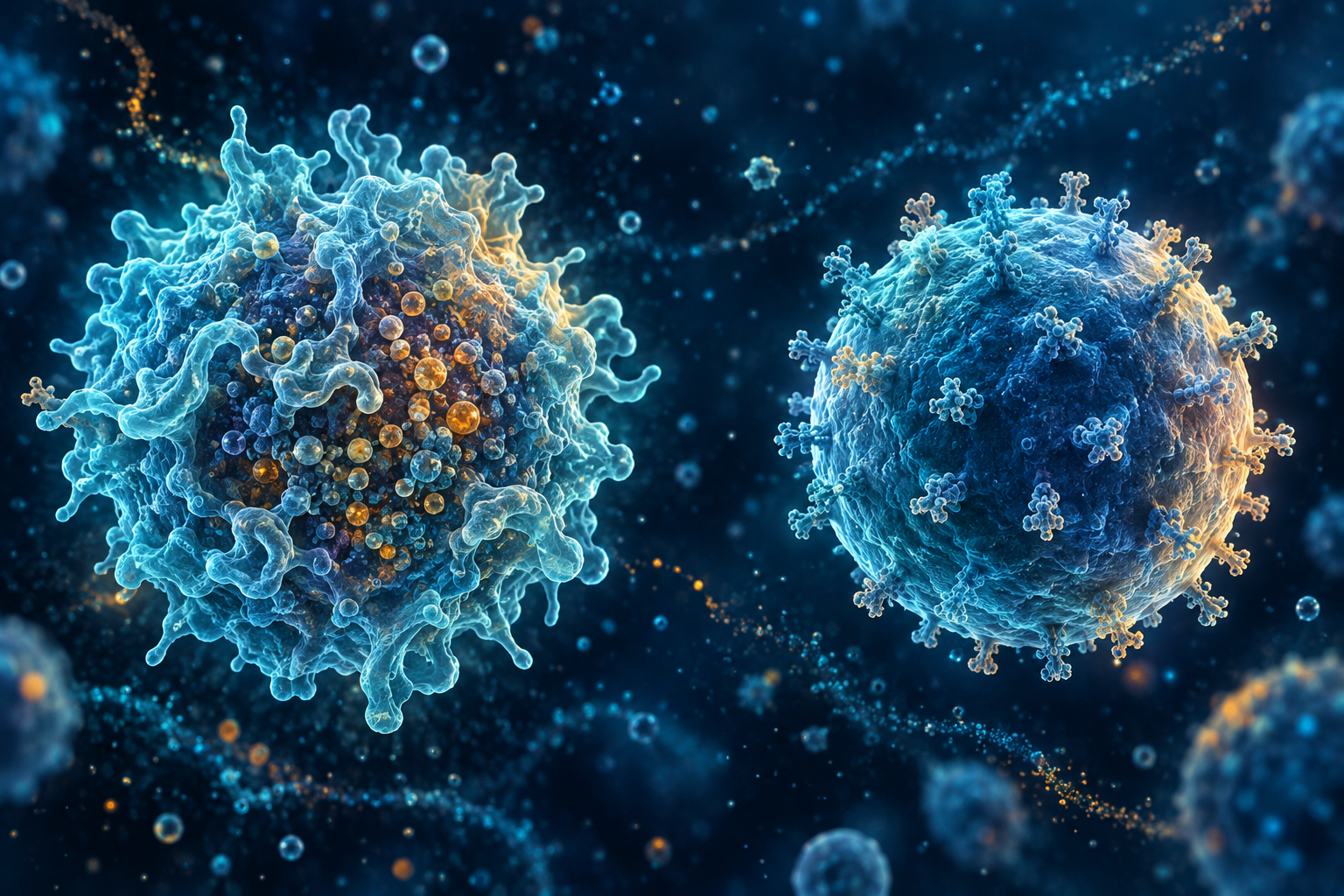
NK Immuno T examines how Natural Killer cells and cytotoxic CD8+ T cells may contribute to disease-associated immune dysregulation in ALS. Their phenotype, functional activation and cytokine output can help inform a biomarker-guided research framework.
Explore the research library →A longitudinal twin study helped frame questions about immune function in ALS. Researchers followed a person living with ALS and his unaffected identical twin, examining immune-cell populations and activity over time.
The observed differences helped generate hypotheses about immune dysregulation that inform continuing research.
One case can generate a research question. Larger studies are needed to establish how broadly the findings apply.
Read the study and DOI 10.1615/CritRevImmunol.2023047233 ↗